
Damien Davis on the loss of an artist's archive, glitter's defiance, Mona Lisa in the Epstein files, and more.
 Hyperallergic
February 9, 2026
— 4 min read
Hyperallergic
February 9, 2026
— 4 min read
Last summer, I did face painting at a block party in my Brooklyn neighborhood. In the sweltering August humidity, I rendered pink butterflies and Spiderman webs on tiny, sticky faces; unsurprisingly, my designs didn't last very long in the bouncy castle. Except for the glitter. For weeks, I found it in my hair, on my cats, in my sink, and in random corners of the house, migrating to and fro like dandelion fuzz. My initial annoyance gave way to an improbable affection for these tenacious reminders of the community I'm lucky to have. In today's edition, Francesco Dama plumbs the democratizing potential of glitter and collective misconceptions about the medium's place in art history. I wholeheartedly recommend reading it if you want to start your week with a glimmer.
—Valentina Di Liscia, senior editor
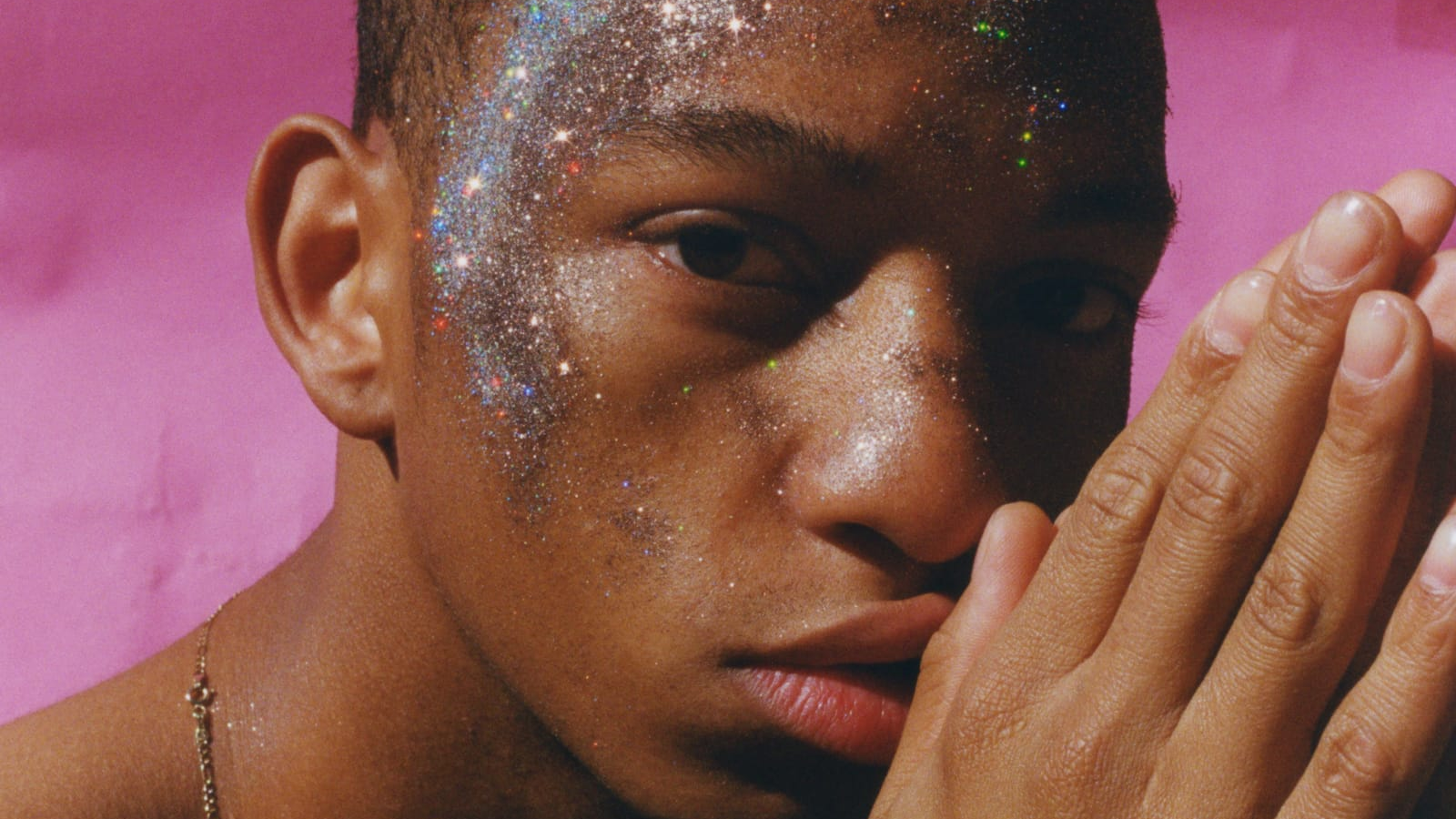 Quil Lemons, “Raheem” (2017) from the series GLITTERBOY (image courtesy the artist)
The Unruly Politics of Glitter
A sparkly knick-knack in a San Francisco souvenir shop inspired Francesco Dama to trace the history and enduring power of glitter, whose fascinating backstory involves a German immigrant, artificial snow, and the word “schnibbles.” Today, in contemporary art, the incandescent dust often “allows marginalized racial and ethnic communities to push back against imposed stereotypes,” Dama writes, as in Quil Lemons’s 2017 photographic series, where “shimmer becomes a visual insistence on visibility.”
SPONSORED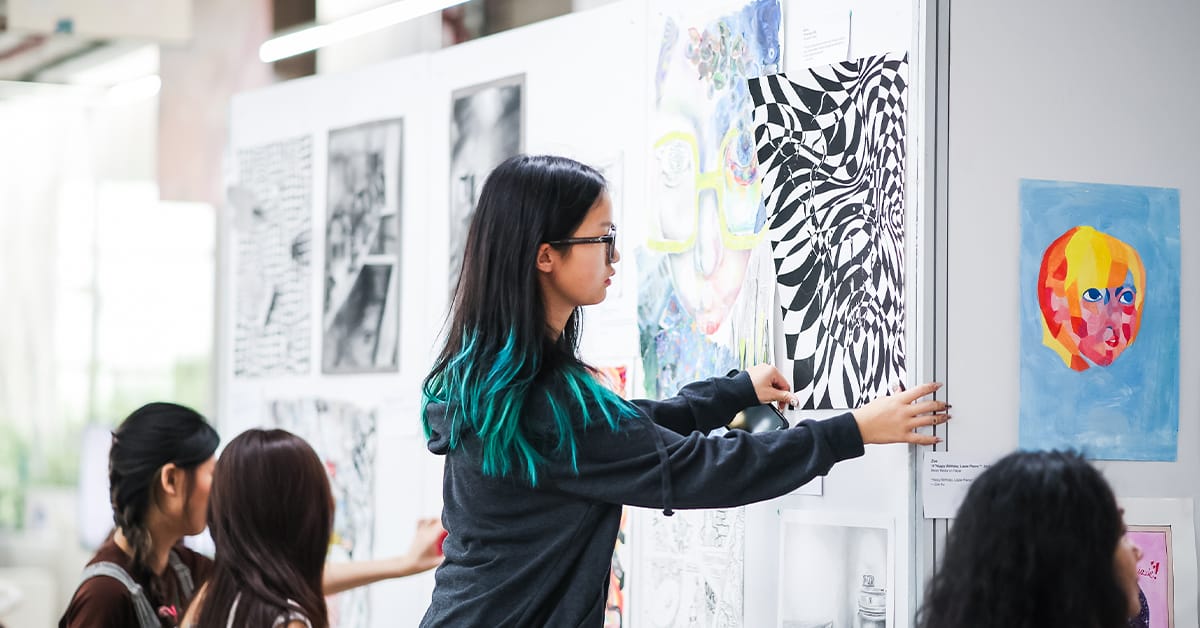
RISD Celebrates Five Years of Summer Teen Art Institute in ShanghaiHosted at the HD Shanghai School, this residential art and design program welcomes teenagers from around the world to connect with RISD's renowned approach to art and design education.
Learn more and applyNews
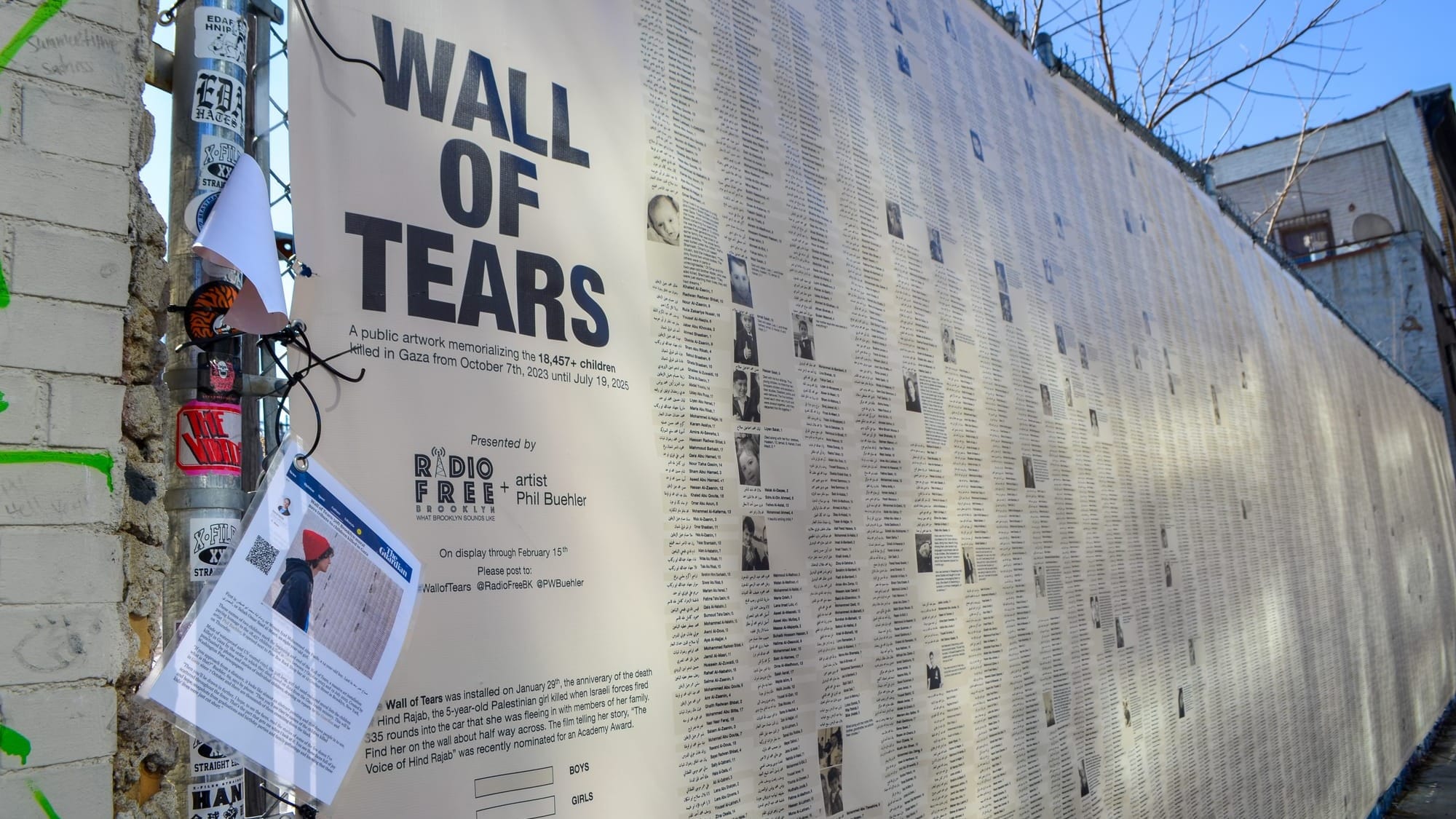 Phil Buehler's "Wall of Tears" in Bushwick (photo Isa Farfan/Hyperallergic)
- A "Wall of Tears" zip-tied to a fence in Brooklyn lists the names of 18,500 children killed by Israel in Gaza. Artist Phil Buehler hopes the public work will confront people with the scale of the loss.
- Why is an image of the Mona Lisa covered by a black square in the latest tranche of Epstein files? The finding prompts questions about the Department of Justice's criteria for redactions, especially as it faces accusations of publishing sensitive victim information.
From Our Critics
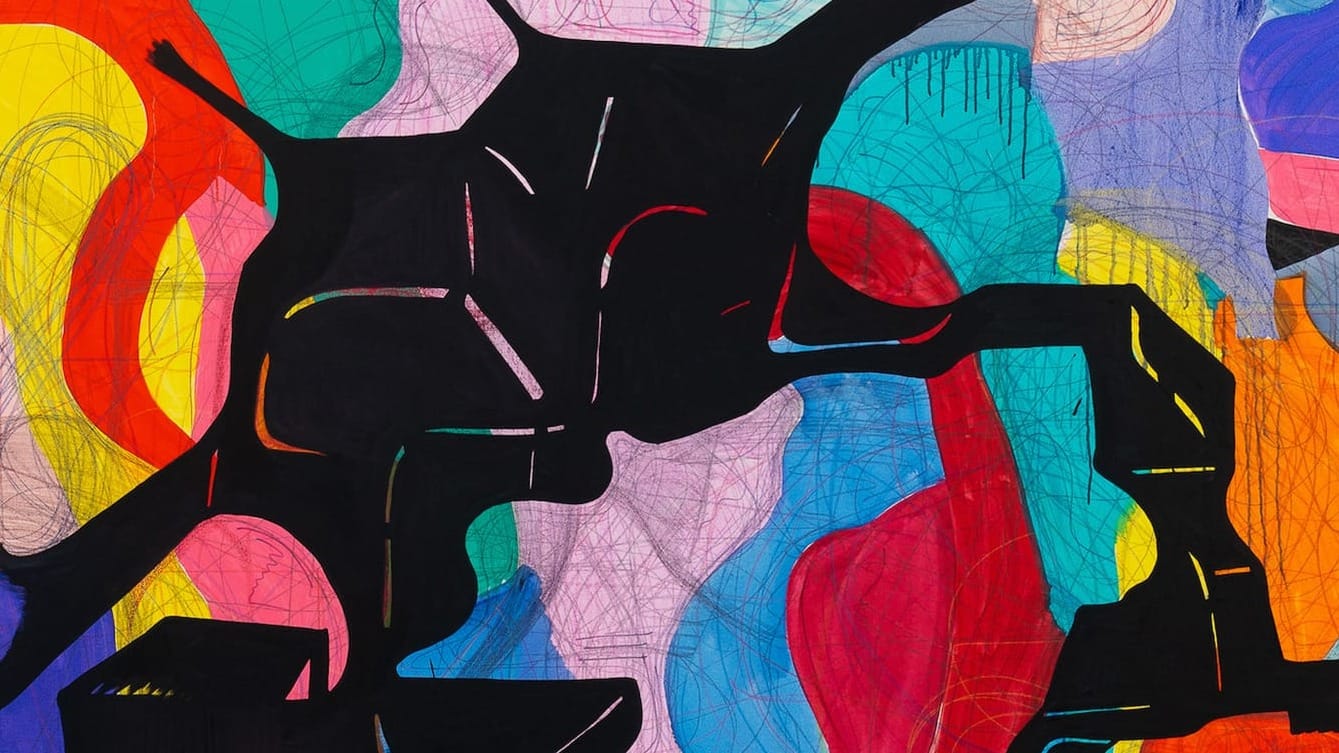 Detail of Joanne Greenbaum's "Untitled" (2014) (photo by Elisabeth Bernstein, courtesy the artist and Nino Mier Gallery)
Does It Have to Mean Something to Be Great?
Joanne Greenbaum’s cacophonous symphony of individual marks, shapes, and colors coheres without obscuring the individuality of each element. | John Yau
Opinion
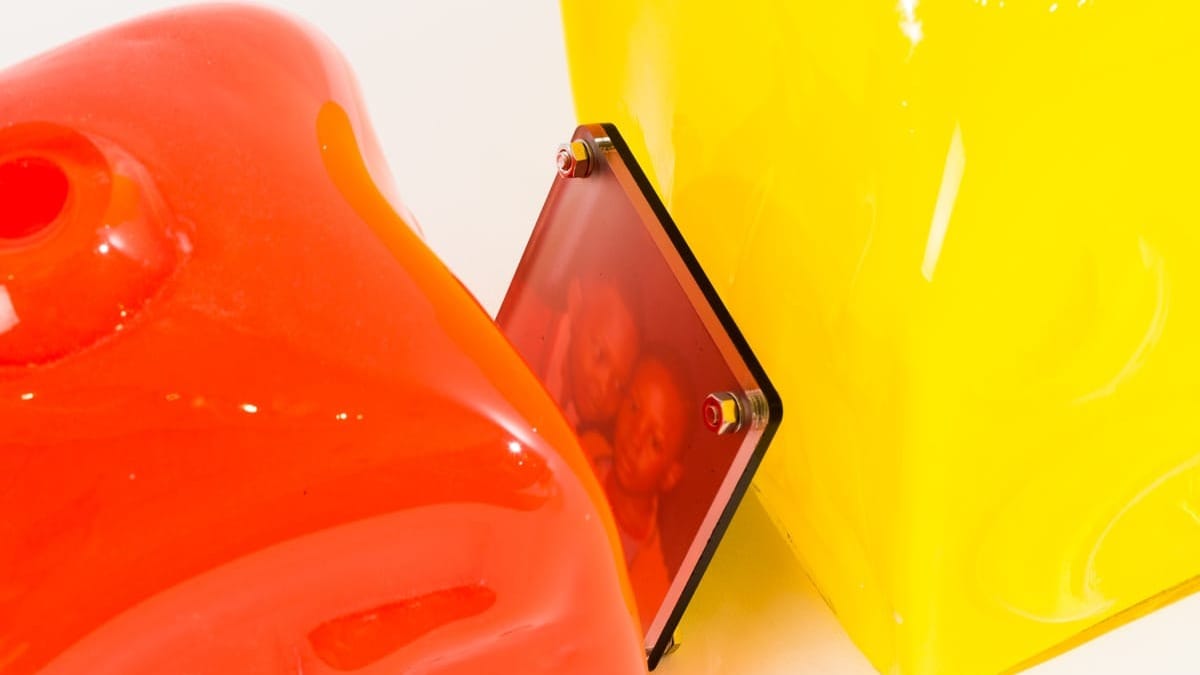 Detail of Damien Davis, "My Brother and Me" (2018) from the exhibition For Demetrius (2019) at Sugar Hill Children's Museum in New York (photo courtesy the artist)
 When Artists Lose Their Archives
Artist Damien Davis writes about the dystopian experience of seeing his work disembodied and sold off like car parts online after a storage unit he could no longer afford was auctioned off. “Individual elements were photographed, priced, and listed under my name without tagging or contacting me,” he recalls, identifying the outcome as “a loss of archival authority" that artists are seldom prepared for. It's a reminder “that preservation is always entangled with power, and that power rarely rests with the artist once the work leaves their hands,” Davis writes.
Member Comment
Peter Scibetta on Rhea Nayyar's "Philadelphia Museum of Art Says Goodbye to 'PhAM'":
Now they should move the Rocky statue back to the street. Featured opportunityRubin Museum of Himalayan Art – Rubin GrantsThe Rubin’s annual grant program funds research and art projects that aim to expand awareness and understanding of Himalayan art globally. Artists, creatives, and scholars are invited to submit a letter of inquiry for the 2026 cycle. Read more on Hyperallergic.Deadline: March 6, 2026 | rubinmuseum.org/grants
See more in this month’s list of opportunities for artists, writers, and art workers!
ICYMI
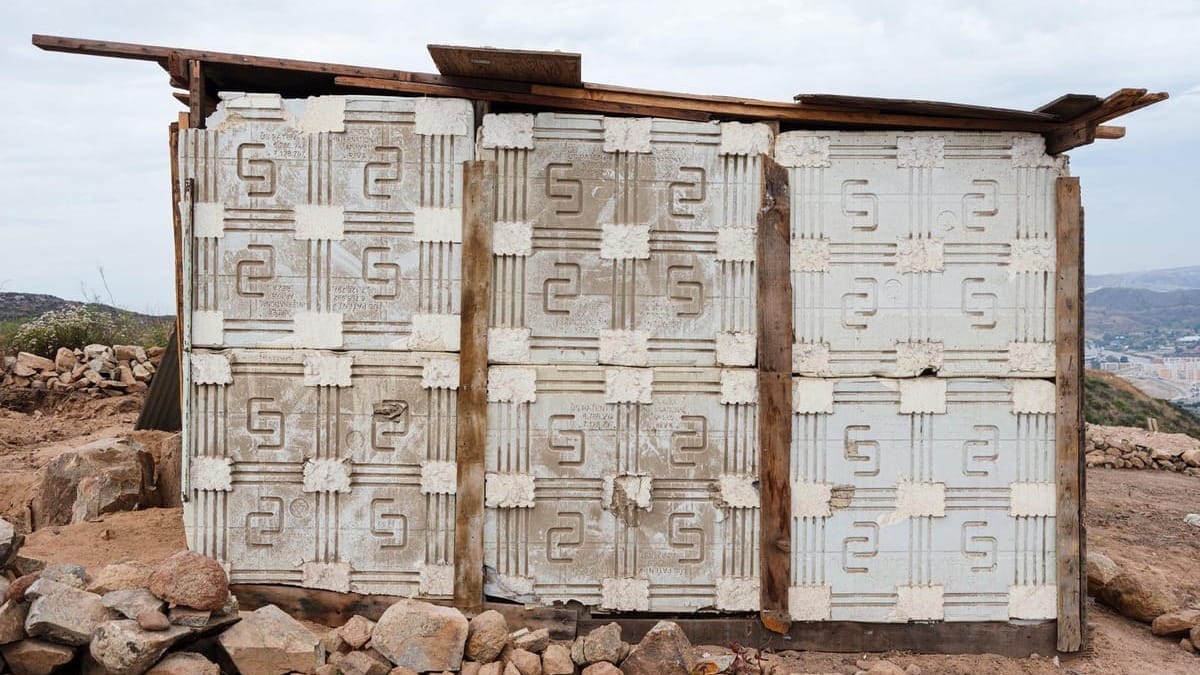 Ingrid Hernández, from the Sedimentations series (2022–25) (image courtesy Ingrid Hernández)
Ingrid Hernández Reveals Tijuana’s Hidden Beauty
Often seen as too American to be Mexican, too Mexican to be American, the city is presented by the artist as it is, not as anyone assumes it might be. | Carolina A. Miranda